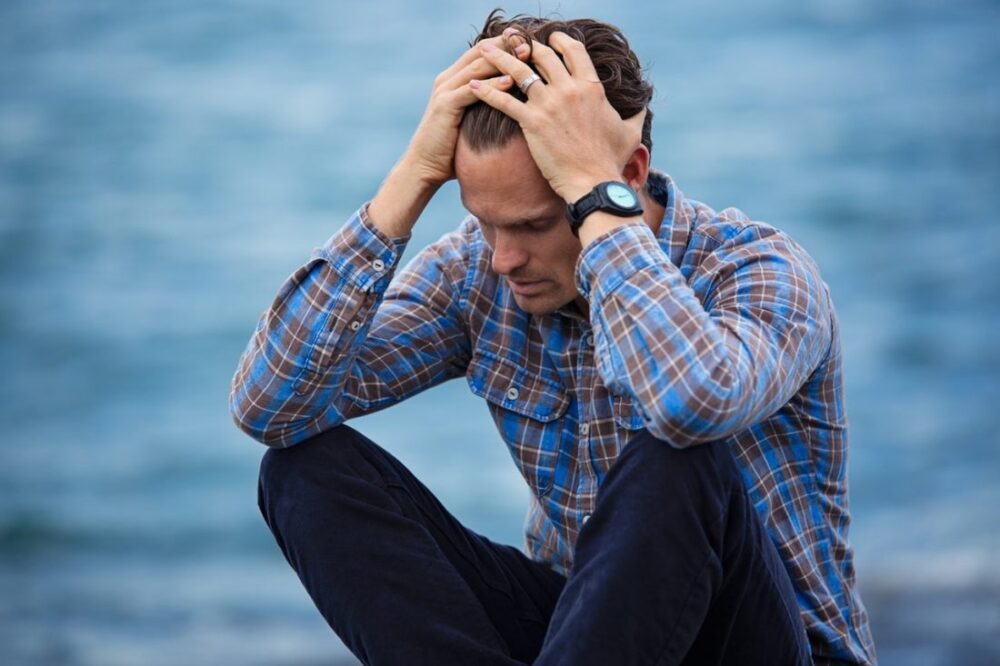
Emotional Abuse
Emotional abuse can be very subtle and it can happen over a long period of time, making it difficult to notice. People who are emotionally abusive can also, at times, show great affection. These people can use occasional moments of love and affection to maintain control. It gives you hope that they are capable of change or getting better. This is both controlled and controlling. It serves a purpose – keeping you embroiled in their web of abuse. This pattern of behaviour can be a crime under the new Domestic Abuse (Scotland) Act 2018.
Does your partner:
- Put you down and make you feel bad about yourself?
- Criticise and ridicule you or the things you do?
- Deflect blame/responsibility, making you feel like you’re always in the wrong?
- Treat you more like a child than an equal partner?
- Belittle your achievements or interests?
- Accuse you of having affairs or looking at other people?
- Become emotionally unavailable, to punish you?
- Share personal information about you with others?
- Keep you away from, or criticise your friends and family?
- Make ‘empty’ promises of change, but never take action?
- Use the children as a ‘weapon’?
- Tell you that you’re not a ‘real’ man?
- Destroy things that are important to you?
Do you:
- Feel like you’re walking on eggshells?
- Feel you can’t spend time with friends or family?
- Feel that nothing you do is good enough?
- Feel alone?
- Feel anxious when with your partner, or anxious when without your partner? Or even both?
- Spend your life managing/avoiding conflict?
- Avoid social events?
- Feel humiliated? Trapped?
Short term responses to emotional abuse can look like:
- Self-hate and self-sabotaging
- Isolation and loneliness, feeling as though you can’t fit in or interact with people,
- Confusion or chaotic thoughts and moods
- Anxiety
- Shame and guilt
- Difficulty concentrating
- Muscle tension and various aches and pains
- Experiencing nightmare or Insomnia
These are just a few examples of emotional abuse. How you experience emotional abuse will be personal to you. Your partner should be the person you trust most in the world. They are the person you share all your secrets and vulnerabilities with, and the person who knows everything about you. An abusive partner will use this knowledge in a negative way to exploit you.
If you need to speak to someone please contact our helpline support services.